This article includes discussion of certain features in development within Momentum’s platform. Some elements referenced may relate to features that fall outside the currently cleared indications for use and are being evaluated as part of ongoing research and development. All information is provided for educational purposes only and does not represent clinical performance claims.
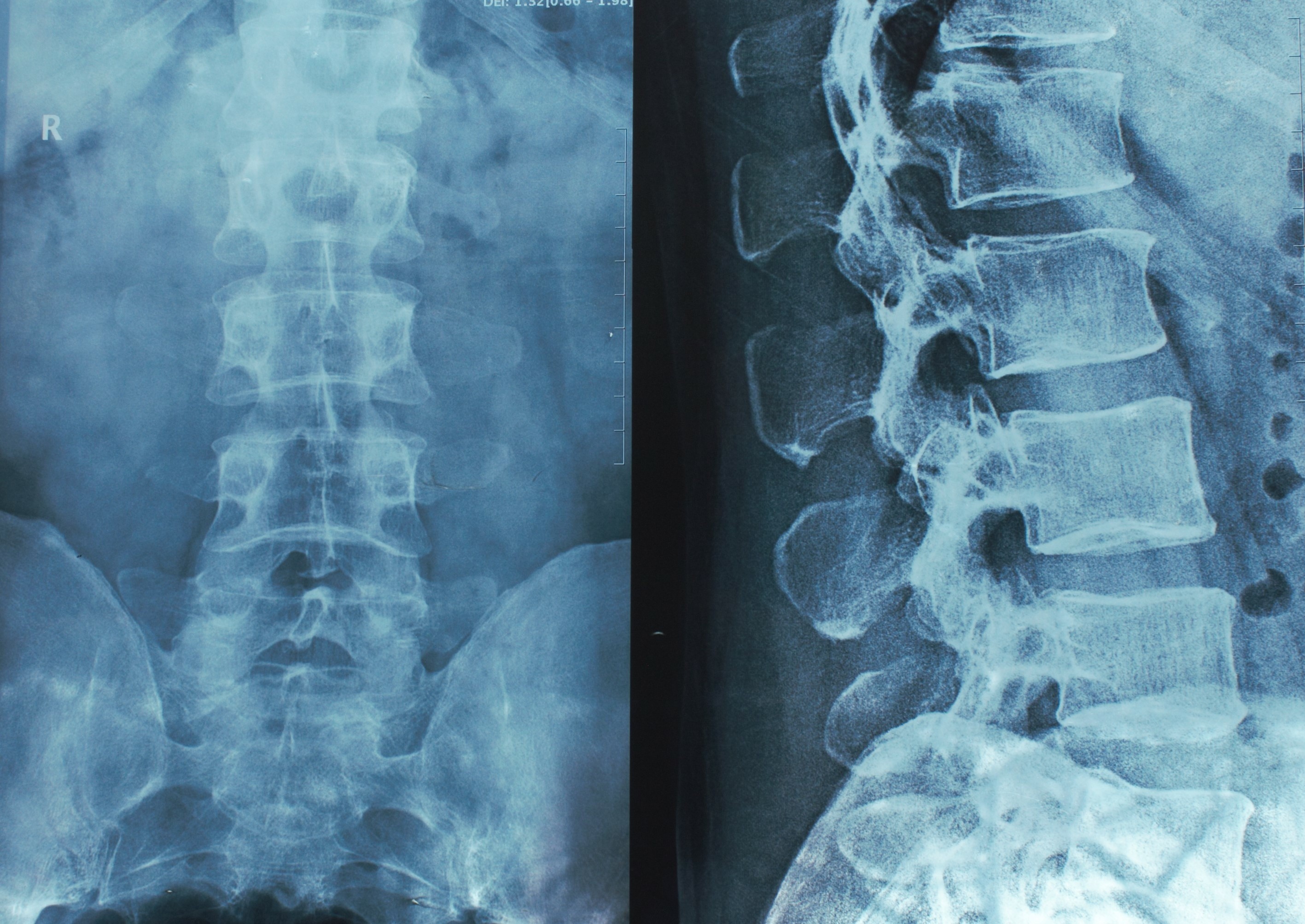
Spine care has traditionally relied on static snapshots of a patient’s condition. Radiographs, CT scans, and MRIs reveal anatomy and alignment, while Patient Reported Outcome Measures (PROMs) capture how a patient feels at a single point in time. These tools are helpful, but they only offer brief glimpses into real life. A supine MRI does not show the spine under load, and a standing X-ray captures a single position that may not reflect how a patient naturally moves or holds themselves throughout the day. PROMs provide valuable insight but are influenced by the patient’s mood, pain level, and the artificial setting of a clinic visit.
Adult spinal deformities (ASDs) make this gap clear. The core issue in ASD is dynamic dysfunction. As alignment worsens, patients rely on compensatory mechanisms such as pelvic tilt, knee flexion, and altered gait to maintain balance and reduce energy expenditure, often without noticing. Metrics like the sagittal vertical axis (SVA) and Pelvic Incidence - Lumbar Lordosis (PI–LL) describe static alignment, but they cannot reveal how the spine behaves in motion. Many patients who appear well aligned on X-ray still struggle with endurance, balance, or mechanical symptoms.
Surgeons have always recognized this disconnect. Two patients can share the same radiographic parameters and function completely differently. True assessment of spinal balance requires more than static imaging. It requires dynamic, objective insight into how patients move, compensate, and recover in their own environments.
A New Way to Capture the Full Patient
In engineering, a digital twin is a virtual model that updates continuously with real-world data. This concept is new to medicine. Dynamic patient models in spine care reveal anatomy, motion, and physiology as these change over time. Traditional uses of this technology focus on surgical planning, but most stop once the patient leaves the operating room.
Momentum Health extends this approach into daily life. From a short smartphone video, Momentum Spine creates a true-to-scale 3D model and links it with ongoing functional data such as gait, posture, balance, and patient-reported outcomes. The result is a dynamic representation of how the patient looks, moves and feels throughout the entire course of recovery.
A single video captures posture, alignment, and symmetry while simultaneously analyzing real walking and balance tasks. The smartphone passively tracks activity in the background, and the app collects PROMs that evolve alongside objective measurements.
Together, these inputs create a continuous, radiation-free record of recovery. Instead of relying on occasional clinic visits, clinicians can observe meaningful week-to-week changes in alignment, stability, and real-world function.
Beyond the Operating Room: Continuous, Personalized Care
Dynamic patient models allow spine care to shift from episodic check-ins to a continuous and personalized approach.
Before surgery, surgeons can evaluate alignment strategies directly on the model and understand how symptoms affect movement in real settings. Step count, walking speed, and daily activity provide clear disability metrics that help determine the right moment for intervention and validate the effects of physical therapy, injections, or medications.
After surgery, the model evolves with the patient. Improvements in balance, walking mechanics, posture, and asymmetry become visible early in the recovery process. Subtle changes in dynamic alignment can signal issues long before symptoms appear.
At home, patients perform scans or passively collect activity data from their own phones. Surgeons receive updated data without the need for travel, radiation, or in-person visits. This enables more frequent and accessible monitoring during critical recovery periods.
In rehabilitation, therapists can tailor exercises based on objective findings and address specific compensations or asymmetries. Over time, the system can identify patterns that support individualized recovery pathways and stronger outcomes.
Predicting What Comes Next
Momentum’s dynamic patient model captures function directly, giving clinicians a clear view of how patients move in the real world. Each short video produces thousands of biomechanical data points, including joint angles, sway radius, dynamic sagittal alignment, and step cadence. These measurements transform qualitative impressions into numerical trends that can be tracked over time. Patients can see themselves standing taller and walking more symmetrically as they recover, and clinicians gain a precise view of progress or early signs of concern.
As more data is collected across large populations, functional patterns begin to reveal predictive signals. Subtle changes in gait or balance may indicate early mechanical issues long before symptoms develop. Shifts in alignment dynamics can highlight patients who may benefit from targeted therapy, bracing, or timely intervention. Pre-operative patterns can identify who is more likely to respond well to surgery and who may do better with conservative care.
By combining objective functional measurement with emerging predictive insight, dynamic patient models move spine care toward earlier detection, improved decision-making, and a more proactive approach to recovery.
The Value for Patients, Clinicians, and Health Systems
Momentum’s platform brings advanced functional assessment to any setting through a standard smartphone. What once required a motion lab or specialized equipment can now be completed in minutes in the clinic or at home. This simplicity reduces patient burden, minimizes radiation exposure, and supports clear, consistent documentation of outcomes. It also gives patients a transparent view of their progress and provides practices and health systems with reliable functional metrics that demonstrate clinical value.
By capturing posture, motion, and daily activity in a continuous and accessible way, Momentum Spine offers a view of spine health that reflects how patients truly live. Clinicians gain real insight into recovery as it unfolds, and patients receive answers grounded in objective progress rather than rare clinical snapshots. The field moves toward care that is more predictive, more personalized, and more preventive.
Momentum Spine brings this future within reach, one real-world movement at a time.
Ready to implement gait analysis in your clinic?
Momentum makes dynamic movement assessment fast, scalable, and easy to integrate into real-world workflows. Book a call with Momentum Spine to see it in action.